Breakfast

Your blog category

Breakfast

Parmesan Baked Eggplant

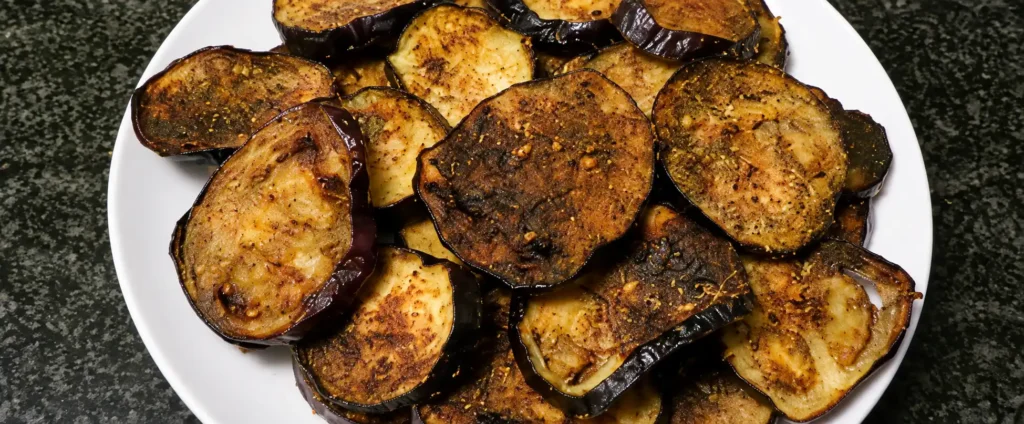
Ingredients:2 small eggplants cut into 1/2 inch rounds2 tbsp olive oil1/4 cup grated parmesan cheese2 tsp garlic, choppedsalt and pepper to taste Directions:On a large baking sheet pan lined with parchment paper, place eggplant rounds in a single layer on the pan. Drizzle eggplant with olive oil and spread the garlic on the eggplant. Then sprinkle the eggplant with the parmesan cheese until well coated. Bake at 400 degrees for 15 minutes or until the edges of the eggplant are golden brown. Let cool and serve as a side for dinner or afternoon snack.

Breakfast

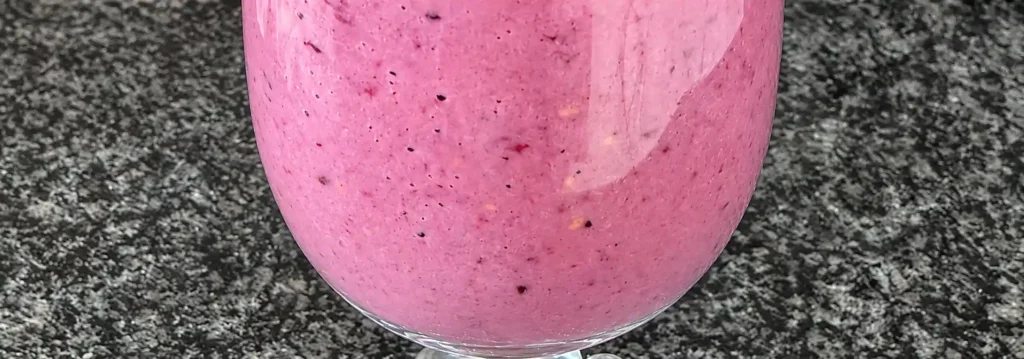
High Protein Berry Smoothie

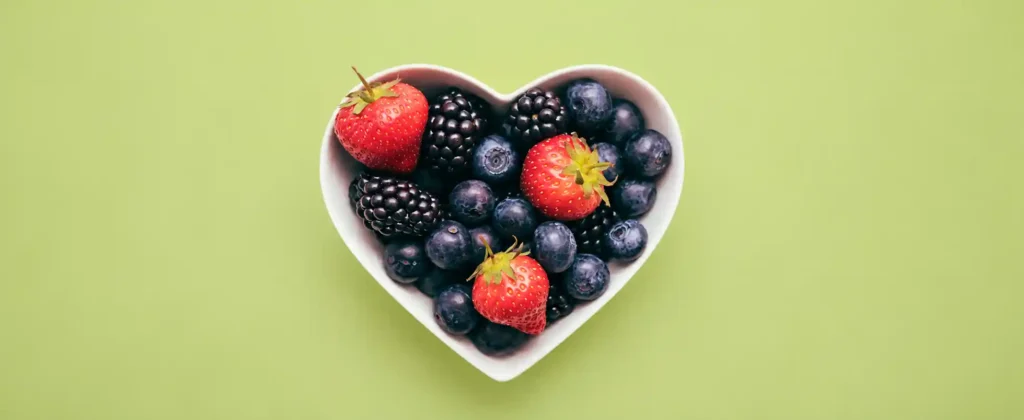
Serves: 2 Ingredients:1/2 cup strawberries1/2 cup blueberries1/2 cup blackberries1/2 cup raspberries2 cups plain, 0% fat, greek yogurt2 tbsp honey1 tsp almond extract1 1/2 cups unsweetened almond milk Directions:Mix all the ingredients in a Vitamix or high powered blender until all ingredients are well blended.  Pour into a glass and enjoy for breakfast or afternoon snack.  Optional: You can put the smoothie in the freezer and drink as a frozen smoothie.

Breakfast

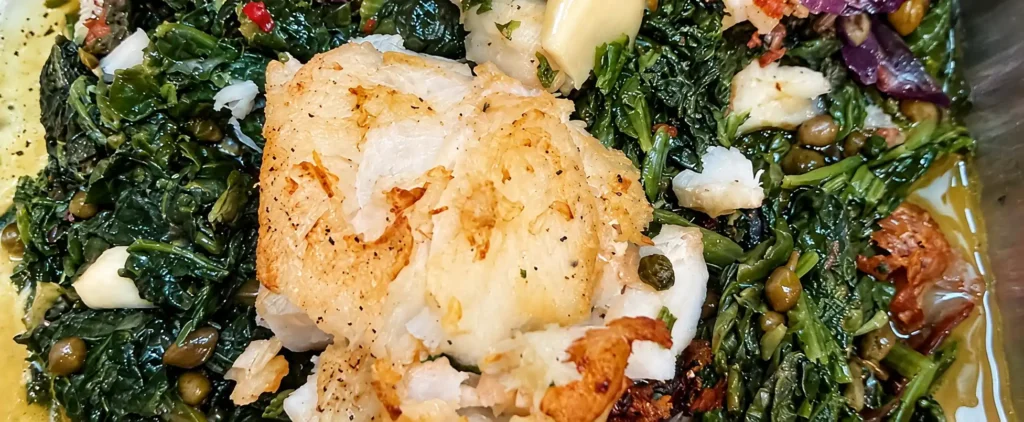
Baked Cod Loin with Spinach

Ingredients:4 cod loins (about 6 ounces each)1 tbsp chopped garlic2 tbsp olive oil1/2 tsp salt1/4 tsp black pepperone package frozen cut leaf spinach1/4 cup Italian season breadcrumbs Directions:Cook frozen spinach according to the package. Place in a small bowl and set aside. Pat cod with paper towels until nice and dry.  Salt and pepper cod and sprinkle with breadcrumbs. Heat olive oil in large sauté pan. Sauté chopped garlic then place the cod in the pan and sear (about 3 to 4 minutes) on each side.  Place the cooked spinach in a small sheet pan and place cod loins on top. Bake an additional 10 minutes and serve immediately.

Breakfast

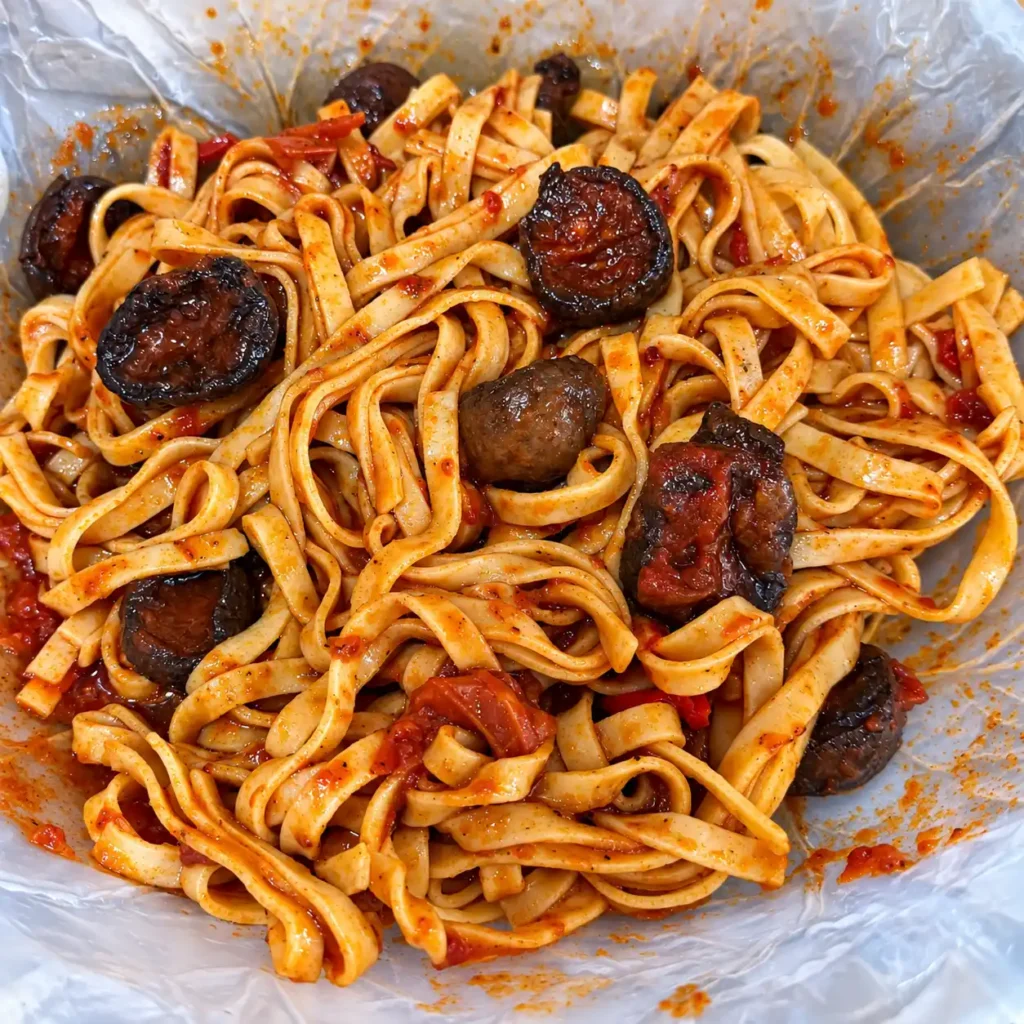
Mushroom Marinara

Ingredients:1 box of fresh button mushrooms (4 ounces)1 can tomato sauce – 28 ounces 1 package of fresh chickpea pasta (I use Wegmans brand)2 tbsp olive oil2 tsp garlic, chopped1 tsp dried basil1 tsp dried oregano2 tbsp pecorino romano cheesesalt and pepper to tastepinch of dried hot pepper flakes (optional) Directions:For the pasta fill a large pot of cold water and bring to a boil.  In the meantime, sauté garlic in olive oil in a medium size pot until golden brown. Add tomato sauce, herbs, dried hot pepper flakes and cook for 1/2 hour on a low simmer.  When sauce is done, add button mushrooms and cook for an additional 10 minutes.  Serve sauce over chickpea pasta and sprinkle with grated pecorino romano cheese.

Breakfast

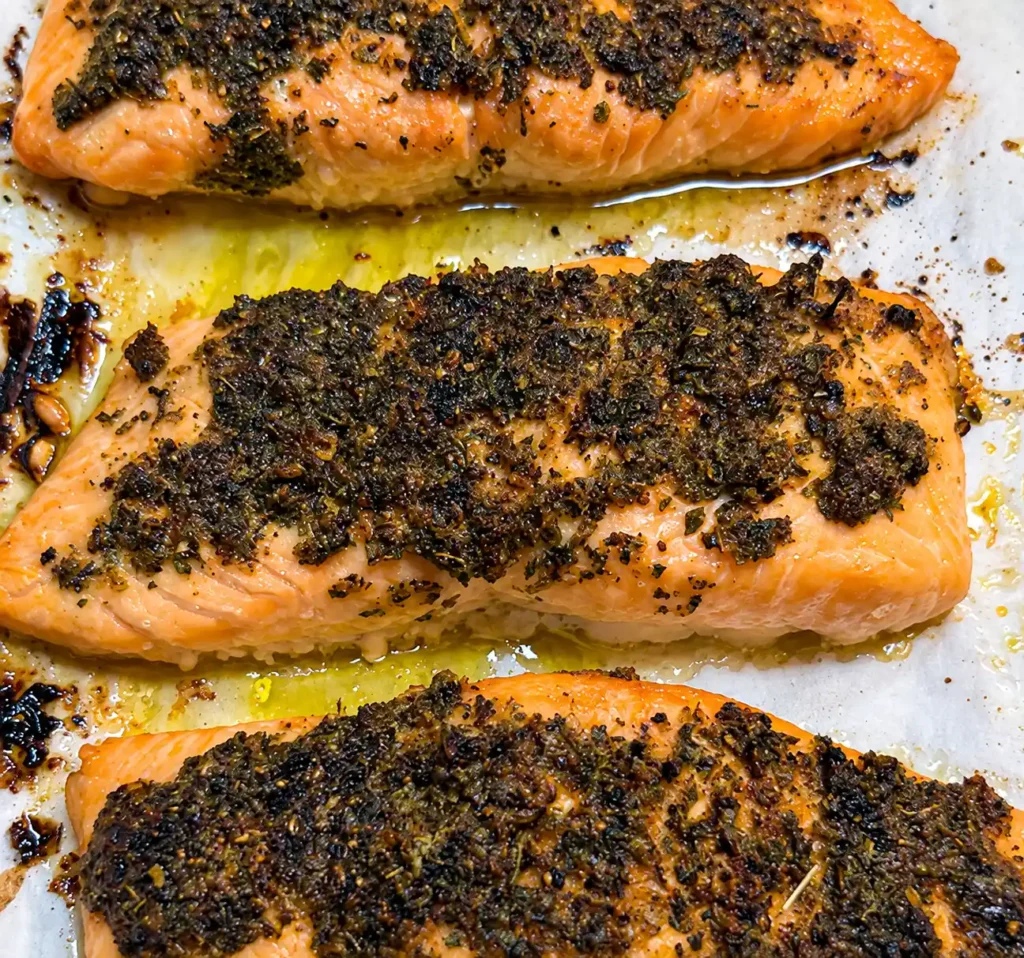
Baked Herb Crusted Salmon

IIngredients:4 salmon fillets (6oz each)2 tbsp fresh parsley, chopped2 tbsp dried oregano2 tbsp dried basil2 cloves garlic, chopped2 tsp lemon zest 2 tbsp olive oil1/2 tsp salt1/8 tsp black pepper DirectionsLIn a small bowl whisk herb ingredients until well blended.  Place salmon fillets skin side down on parchment paper in a large sheet pan.Pat salmon fillets dry then salt and pepper them. Spread herb mixture on top of each fillet and bake in a 400 degree oven for 20 minutes.

Breakfast

Cauliflower Spaghetti with Vegetables

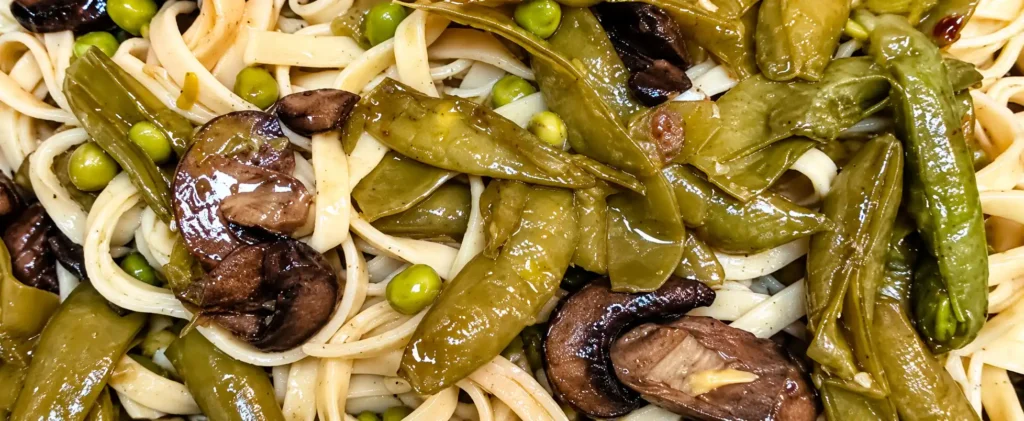
Serves 4-6 Ingredients:1 (10 ounce package) fresh snow peas1 box of cauliflower spaghetti, fresh or frozen2 tbsp garlic, chopped1 large scallion, chopped1 box of white mushrooms, sliced (4 ounce box)2 tbsp olive oilsalt and pepper to tastepinch of dried hot pepper flakes (optional) Directions:Bring a large pot of cold salted water to a boil. Cook the spaghetti according to the package. In the meantime heat olive oil a large sauté pan.  When the oil is hot, add the garlic and scallions to the pan and sauté until fragrant and soft. Add snow peas and sauté until tender, then add mushrooms and cook until mushrooms are a little crisp.  When the spaghetti is done drain the pasta and reserve one cup of pasta water. Add the cooked spaghetti to the snow peas and mushrooms and mix well. Add water 1/2 cup at a time to create a sauce. Top with grated cheese and serve.

Breakfast

Maximizing Results on GLP-1s

Why Working with a Nutritionist While Taking a GLP-1 Medication Matters GLP-1 medications have become a popular and effective tool for weight loss. While these medications can help reduce appetite, improve blood sugar control, and support significant weight loss, they are not a complete solution on their own. Long-term success comes from building healthy habits, improving nutrition, and creating a sustainable lifestyle—all areas where a nutritionist can play a vital role. GLP-1 Medications Don’t Teach Healthy Habits One of the biggest misconceptions about GLP-1 medications is that the medication alone will create lasting results. While these medications can help you eat less, they do not teach you what to eat, how to balance your meals, or how to maintain your weight in the future. A nutritionist helps you develop healthy eating habits that support your goals both during and after medication use. Learning how to make nutritious food choices, manage portions, and build balanced meals can help ensure your results last long-term. Protecting Muscle Mass During Weight Loss Rapid weight loss can sometimes lead to the loss of muscle along with body fat. Preserving muscle is important for maintaining strength, energy, metabolism, and overall health. A nutritionist can help you: The goal is not just to lose weight—it’s to improve body composition and overall health. Meeting Your Nutritional Needs Many people taking GLP-1 medications find they eat significantly less than before. While this can support weight loss, it may also make it difficult to consume enough essential nutrients. A nutritionist can help ensure you are getting: Without proper planning, nutritional deficiencies can develop over time. Managing Common Side Effects Nausea, constipation, bloating, and digestive discomfort are common side effects of GLP-1 medications. Nutrition strategies can often help reduce these symptoms. A nutritionist can provide guidance on: Personalized recommendations can help make the medication experience more comfortable and sustainable. Preparing for Life After GLP-1 Medications Many people wonder what will happen if they stop taking their medication. Without healthy habits in place, weight regain can become a concern. Working with a nutritionist helps you develop the skills needed to maintain your progress, including: These habits can support long-term success regardless of whether you continue medication. A Personalized Approach Matters Every individual has different health goals, medical histories, lifestyles, and challenges. A nutritionist provides personalized support that goes beyond the number on the scale. At PlaNutrition, we focus on helping clients create realistic, sustainable habits that support lasting health and wellness. Whether you are considering a GLP-1 medication, currently taking one, or transitioning off of one, nutritional guidance can help you maximize your results while protecting your overall health. The Bottom Line GLP-1 medications can be a valuable tool for weight loss, but they work best when paired with a strong foundation of healthy nutrition habits. Working with a nutritionist can help you preserve muscle, meet your nutritional needs, manage side effects, and build sustainable habits for long-term success. Weight loss is not just about eating less—it’s about learning how to nourish your body in a way that supports your health for years to come.
Scroll to Top